The New Era of Agribusiness Leadership
Agriculture in 2026 will be driven by data, automation, and intelligent systems. For CXOs in agribusiness, this transformation is not optional — it’s essential.
AgriTech has matured beyond tools for farm management; it is now a strategic ecosystem connecting insights, automation, and sustainability.
As digital agriculture becomes the backbone of growth, CXOs must understand what to demand from their technology partners — not just to keep up, but to lead.
1. Why AgriTech Matters for CXOs
Modern agribusiness success depends on how well leaders use technology to turn complexity into clarity.
Today’s AgriTech platforms combine several innovations:
-
IoT sensors that monitor soil health, crop growth, and climate conditions.
-
AI models that predict yields, detect diseases, and optimize irrigation.
-
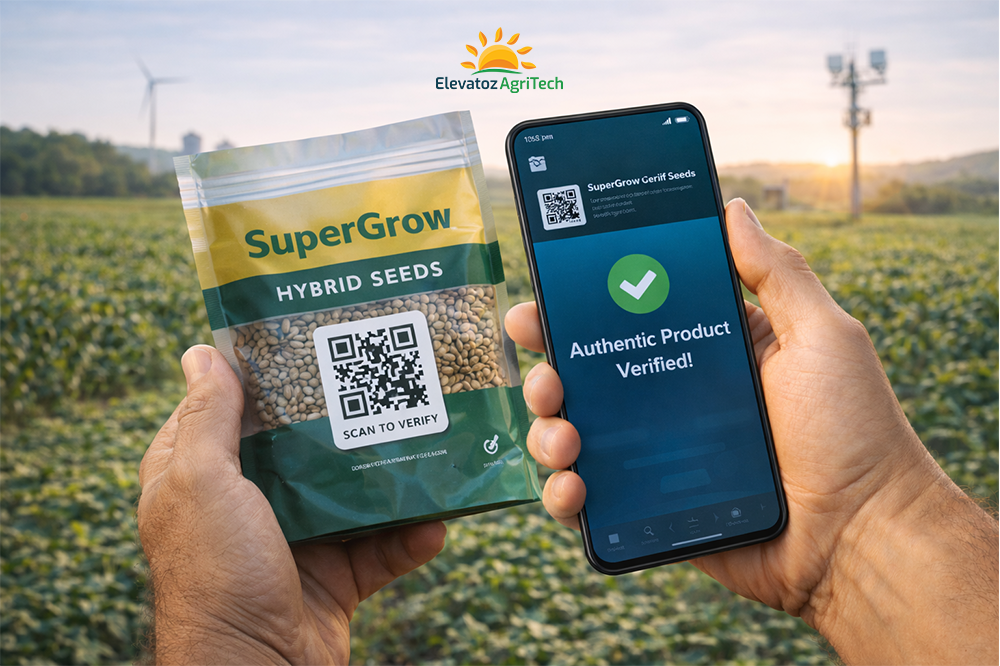
Blockchain systems that ensure traceability and authenticity.
-
SaaS platforms that centralize operations and analytics across regions.
Together, these systems create a layer of agricultural intelligence that supports faster, data-driven decisions and long-term resilience.
2. What CXOs Should Expect from AgriTech Partners in 2026
The relationship between agribusinesses and technology providers is evolving.
In 2026, CXOs should expect more than tools — they should expect transformation.
Here’s what that means in practice:
-
Unified Data Visibility
A connected data platform that provides end-to-end traceability across production, logistics, and sales. -
AI-Driven Insights
Advanced analytics that move beyond dashboards, delivering predictive and prescriptive intelligence. -
Sustainability Intelligence
Technology that measures and optimizes soil health, emissions, and water usage to support ESG and net-zero goals. -
Scalability and Interoperability
Systems that integrate seamlessly with existing ERP, CRM, and supply chain platforms, enabling frictionless growth. -
Outcome-Based Partnerships
A focus on measurable business results — not just software delivery — where technology partners share accountability for ROI.
3. Building a Future-Ready Agribusiness Technology Strategy
For today’s CXOs, digital transformation is no longer about adopting new tools; it’s about redefining leadership through data and collaboration.
A robust agribusiness technology strategy includes:
-
Data-Governed Decision Making: Using real-time analytics for board-level insights.
-
Agile Technology Ecosystems: Choosing modular, cloud-based systems that evolve with market demands.
-
Collaborative Culture: Bridging the gap between agronomists, engineers, and business leaders through shared data access.
-
Resilience Planning: Leveraging digital twins and scenario modeling to prepare for supply chain disruptions and climate variability.
When these elements come together, AgriTech becomes not just a tool for compliance — but a foundation for innovation and growth.
4. Digital Agriculture Trends to Watch in 2026
The AgriTech landscape is changing faster than ever.
Key digital agriculture trends shaping 2026 include:
-
AI-Powered Forecasting: Predicting weather events, yield patterns, and market fluctuations with greater accuracy.
-
Blockchain Traceability: Verifying authenticity from farm to shelf, ensuring consumer trust.
-
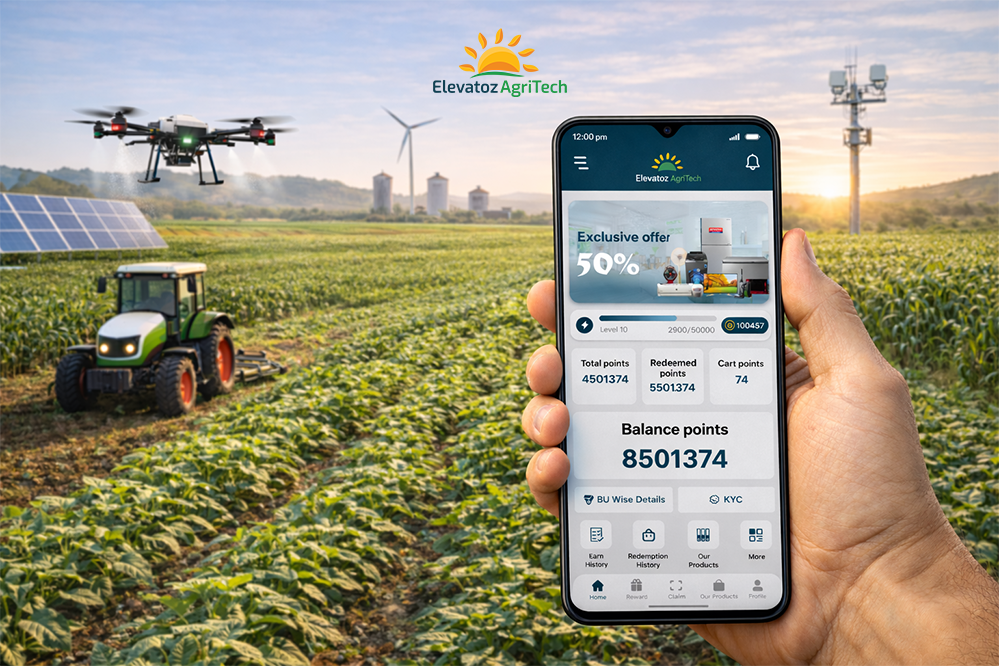
Autonomous Equipment: Smart tractors, drones, and robotic harvesters operating with minimal human input.
-
Agri SaaS Platforms: Subscription-based tools that deliver insights instead of raw data.
-
Climate-Smart Dashboards: Real-time monitoring of sustainability metrics such as soil carbon, water use, and biodiversity impact.
These trends reflect a larger movement — agriculture becoming a technology-driven enterprise focused on sustainability and precision.
5. The Leadership Imperative: Connecting Data, People, and Purpose
In the next phase of agribusiness, leadership will be defined by how well CXOs integrate data, technology, and human expertise.
The most effective leaders will:
-
Embed AI and analytics in every business decision.
-
Demand transparency and measurable outcomes from tech vendors.
-
Build ecosystems that connect farmers, partners, and customers.
-
Align innovation with sustainability and profitability.
AgriTech leadership, in essence, is business leadership. The decisions CXOs make today will shape how their organizations compete and thrive in the digital agriculture era.
Conclusion: From Technology Adoption to Strategic Partnership
By 2026, AgriTech will be inseparable from agribusiness strategy.
The CXOs who succeed will be those who demand more — more transparency, more intelligence, and more collaboration from their technology partners.
AgriTech is not just a means to efficiency; it is the key to building resilient, sustainable, and data-driven enterprises that can adapt to whatever the future brings.