Introduction: The Next Revolution in Agri Distribution
The agriculture industry is undergoing a massive digital transformation.
For decades, distribution in agribusiness relied on physical networks, middlemen, and manual tracking.
But the next decade belongs to SaaS-based Agritech platforms — smart, scalable, and data-driven systems that connect every stakeholder from manufacturers to farmers.
These platforms are redefining how agricultural inputs, produce, and data move — improving efficiency, visibility, and profitability across the value chain.
1. What Is a SaaS Platform in Agritech?
SaaS (Software-as-a-Service) is a cloud-based software delivery model that allows users to access applications through the internet — no installations, no hardware.
In the agriculture industry, SaaS platforms simplify and automate distribution tasks such as:
- Inventory and order management
- Distributor and retailer coordination
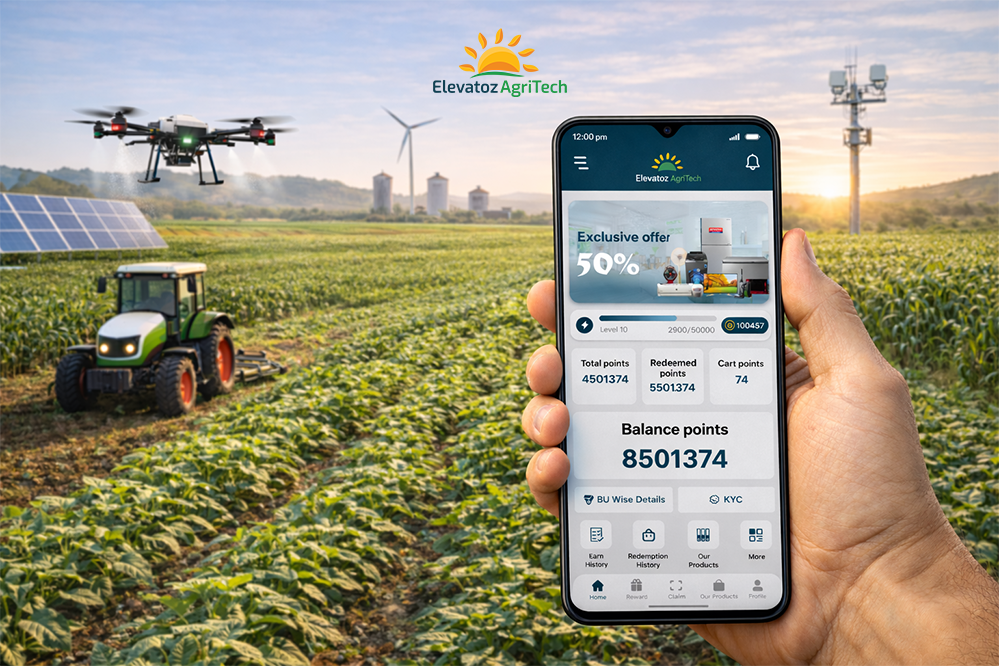
- Loyalty and performance tracking
- Data-driven decision-making
- Demand forecasting
Because everything runs in the cloud, it becomes easier for manufacturers, distributors, and retailers to work together in real time.
2. Why SaaS Is the Future of Agri Distribution
a. Unified and Transparent Supply Chains
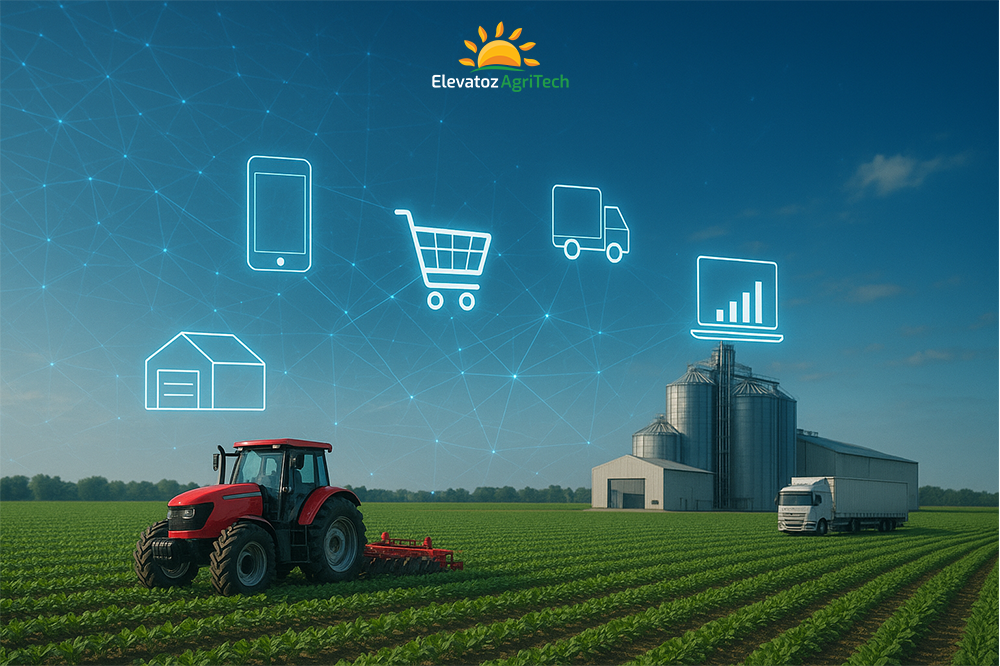
SaaS platforms bring all players — from agri-input manufacturers to last-mile retailers — under one digital network.
This ensures real-time visibility on orders, pricing, and stock levels, reducing miscommunication and boosting trust.
b. Smarter Demand Forecasting with AI
AI-powered SaaS platforms use predictive analytics to anticipate seasonal demand, crop patterns, and regional trends.
This enables distributors to plan inventory intelligently, reducing overstocking and shortages — key to sustainable agri distribution.
c. Cost Efficiency and Scalability
Unlike traditional ERP systems, SaaS platforms are subscription-based and scalable.
Agri businesses can start small and expand as needed — making digital transformation affordable for all.
d. Personalized Engagement Through Data
Modern SaaS systems track user behavior, helping companies design custom loyalty programs for distributors and farmers.
This drives brand engagement and long-term retention in an industry built on relationships.
e. Compliance and Traceability
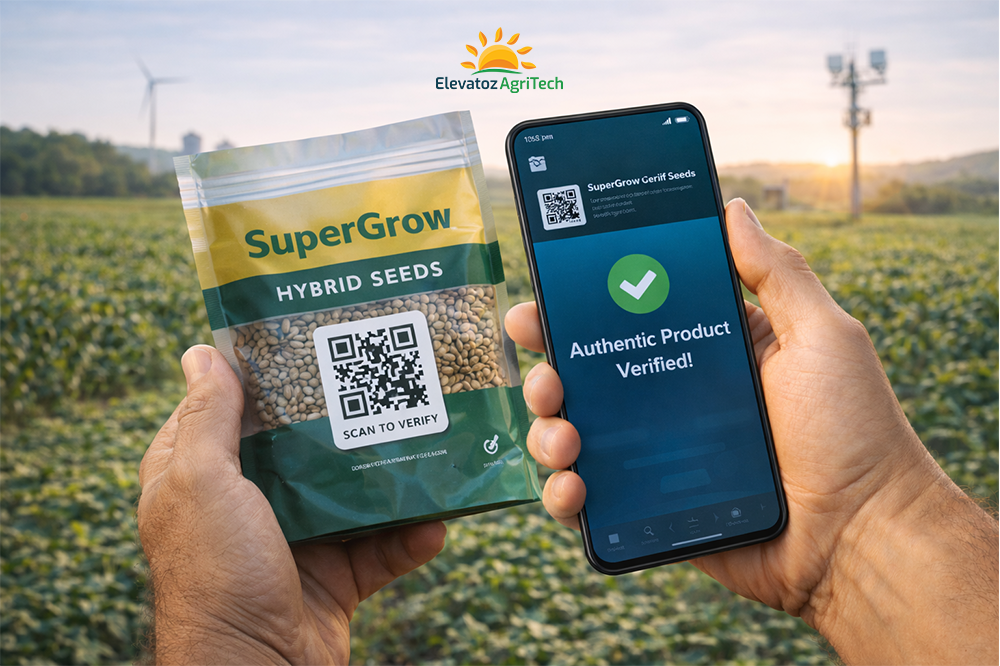
With complete digital documentation, SaaS solutions make every transaction traceable and compliant with food safety and government regulations — building transparency from factory to field.
3. How SaaS Transforms Each Layer of the Agri Ecosystem
|
Stakeholder |
Transformation Enabled by SaaS |
|
Manufacturers |
Real-time sales data, efficient channel performance tracking, better demand planning. |
|
Distributors |
Automated ordering, inventory alerts, digital billing, and payment tracking. |
|
Retailers |
Instant access to product catalogs, pricing, and on-demand restocking. |
|
Farmers |
Faster access to quality inputs, transparent pricing, and reliable product availability. |
This interconnected ecosystem is what makes SaaS the backbone of the next-generation agriculture economy.
4. The Business Value: Data, Decisions, and Distribution
The most powerful outcome of SaaS adoption is data centralization.
With insights flowing from every channel, businesses can:
- Identify emerging market demands
- Optimize route-to-market strategies
- Build data-driven loyalty programs
- Monitor sustainability and efficiency metrics
Data becomes the new fertilizer for business growth.
5. The Road Ahead: AI + SaaS in Agriculture
The next phase of agribusiness will merge AI, IoT, and SaaS into one intelligent ecosystem.
Expect to see:
- AI-driven demand forecasting and pricing models
- IoT sensors feeding real-time data to SaaS dashboards
- Blockchain-led traceability for complete transparency
- Integrated digital payments and credit scoring for dealers
This is the AI-powered agritech future, where distribution becomes predictive, personalized, and paperless.
6. Final Thoughts
The future of agriculture distribution is not about expanding warehouses — it’s about expanding networks and intelligence.
SaaS platforms empower the industry to become data-first, transparent, and resilient.
In the next decade, agribusinesses that leverage SaaS will not only distribute better — they will compete smarter.