In today’s rapidly evolving agri-supply chain, traceability is no longer just a regulatory checkbox — it’s a business growth engine. As agricultural systems become more digitized and data-driven, traceability solutions are transforming from compliance tools into powerful levers for brand differentiation, operational efficiency, and customer trust.
1. The Shifting Landscape of Agricultural Compliance
For decades, compliance in agriculture meant adhering to food safety laws and ensuring minimal documentation. However, as global trade expands and consumer awareness increases, agricultural compliance now extends beyond paperwork. Governments and buyers demand proof of sustainability, fair trade practices, and ethical sourcing — all of which are enabled by end-to-end traceability.
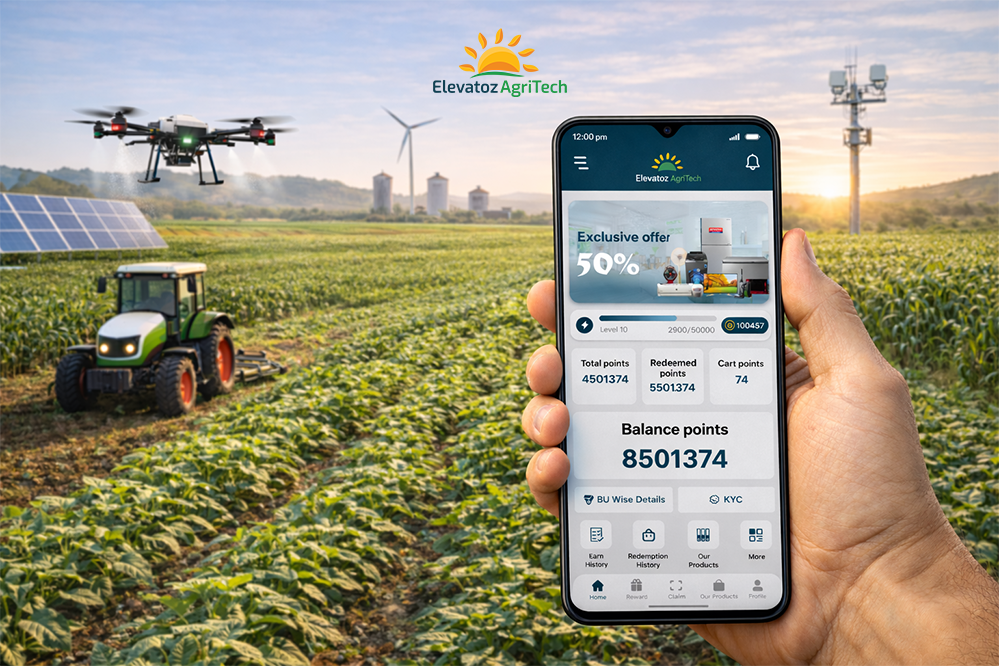
Modern traceability systems powered by AI and IoT capture data at every stage of the product lifecycle: from seed to harvest to retail shelf. This data ensures compliance while giving producers real-time insights into operations and performance metrics.
2. The Real ROI of Traceability
The Return on Investment (ROI) of traceability goes far beyond reduced risk or faster audits. It delivers measurable value across multiple business dimensions:
-
Operational Efficiency: Automated data collection and smart tagging reduce manual errors, lower costs, and improve supply chain visibility.
-
Market Access: Verified traceability can open doors to premium markets that require strict compliance — like organic or export-grade produce.
-
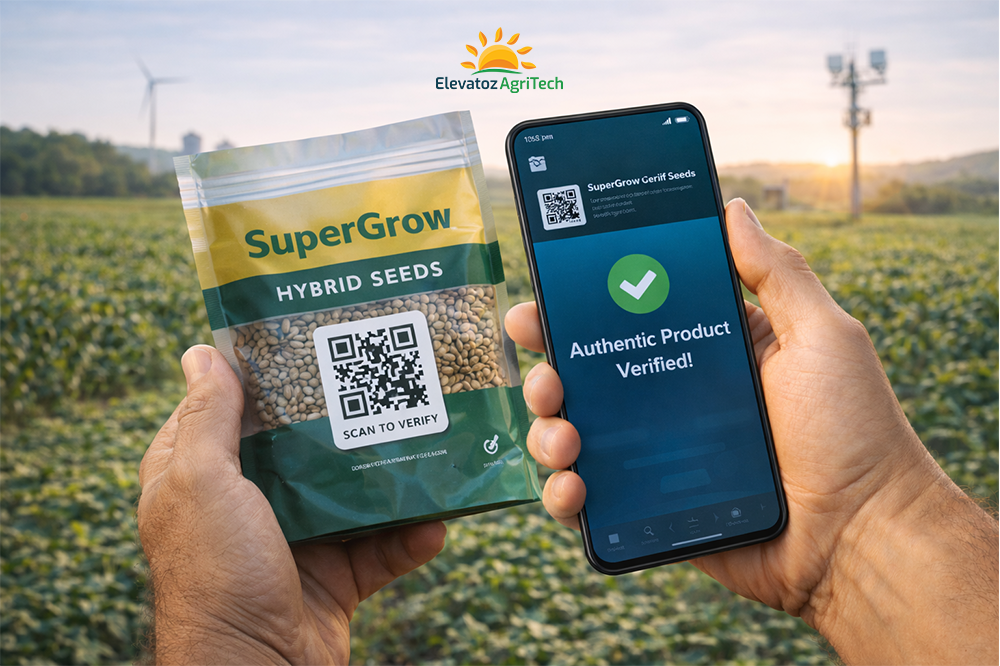
Brand Trust: Transparency fosters consumer confidence. When customers can scan a code and trace a product’s origin, they are more likely to choose it again.
-
Data Monetization: The insights gathered can drive predictive analytics, yield optimization, and demand forecasting — creating a virtuous cycle of improvement.
3. Growth Through Authenticity
Today’s consumers want to know the story behind their food — who grew it, where it came from, and how it was made. Traceability turns authenticity into a measurable business advantage. Brands that use transparent data storytelling see stronger engagement, repeat purchases, and even higher price acceptance.
AI-driven platforms take this a step further by automatically validating authenticity through data correlation — confirming whether a “farm-to-fork” claim truly matches real-world logistics data.
In other words, authenticity is no longer a marketing slogan — it’s a verifiable asset.
4. From Cost Center to Growth Strategy
Many agribusinesses still see traceability as an expense required for compliance. The reality is the opposite. When implemented strategically, it fuels growth:
-
Better inventory forecasting and reduced wastage
-
Higher consumer loyalty through verified ethical sourcing
-
Stronger positioning in B2B networks that value transparency
By integrating traceability into SaaS platforms or ERP systems, agribusinesses can transform compliance into continuous growth.
5. The Future: Traceability as an Intelligent Growth Engine
The next generation of traceability platforms will combine AI, blockchain, and machine learning to predict issues, automate compliance, and visualize the entire agri-value chain. Companies that invest in traceability today aren’t just meeting regulations — they’re future-proofing their growth.
In conclusion, the real ROI of traceability isn’t in the compliance reports. It’s in the growth stories that follow — in stronger brands, smarter supply chains, and trusted relationships that extend from farms to consumers.
Traceability isn’t just about knowing where things come from — it’s about knowing where your business is headed.